



Introduction
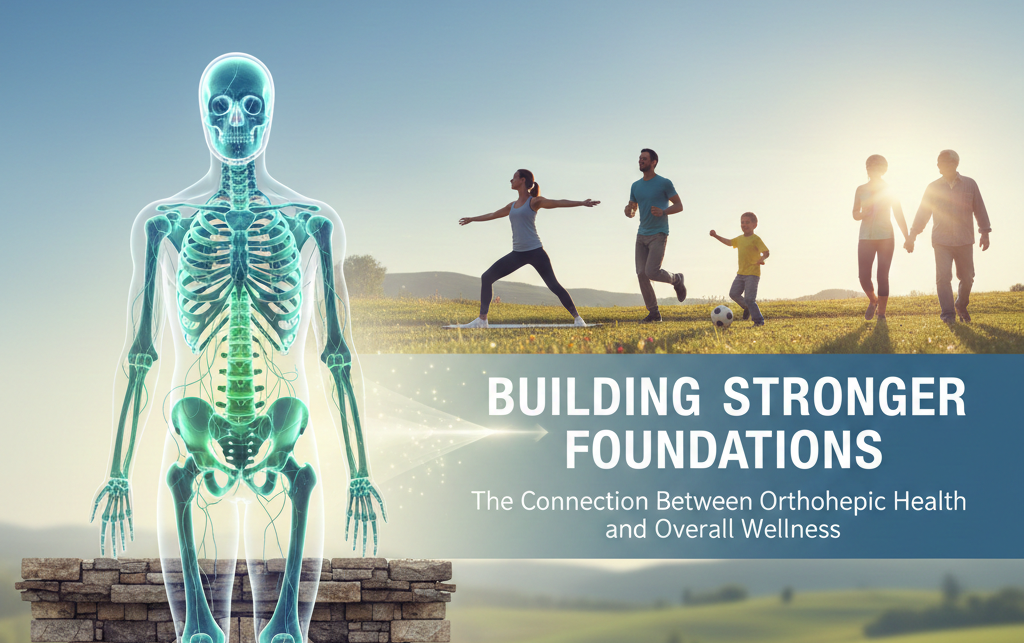
Your musculoskeletal system is the framework that supports every aspect of your life. From the moment you take your first steps as a toddler to the activities that define your golden years, bone and joint health silently underpins your ability to move, work, play, and live independently.
Yet orthopedic health often remains overlooked until something goes wrong—a fracture, persistent joint pain, or mobility limitations that suddenly make daily tasks challenging. The truth is, building and maintaining strong bones and healthy joints is a lifelong investment that pays dividends in quality of life, independence, and overall wellness.
Let’s explore why orthopedic health matters at every stage of life and how proactive care can make all the difference.
The Foundation: Understanding Your Musculoskeletal System
More Than Just Bones and Joints
Your musculoskeletal system is an intricate network comprising:
Bones: The structural framework that protects vital organs, stores minerals, produces blood cells, and provides leverage for movement.
Joints: Complex structures where bones meet, enabling flexibility and range of motion while bearing significant stress with every movement.
Cartilage: The cushioning tissue that absorbs shock and allows smooth, pain-free joint movement.
Ligaments and Tendons: Connective tissues that stabilize joints and attach muscles to bones, enabling coordinated movement.
Muscles: The powerhouses that generate force, support posture, and facilitate every movement you make.
When any component of this system is compromised, it affects not just mobility but overall health and wellbeing.
The Lifecycle of Bone and Joint Health
Childhood and Adolescence: Building the Foundation
The first two decades of life are critical for bone development. During this period:
- Approximately 90% of peak bone mass is achieved by age 18 in girls and 20 in boys
- Adequate calcium, vitamin D, protein, and physical activity establish the foundation for lifelong skeletal health
- Childhood injuries or nutritional deficiencies can have lasting impacts
Key Focus: Proper nutrition, active lifestyle, and injury prevention during growth years set the stage for decades to come.
Young Adulthood: Peak Performance Years
Between ages 20-40, most people experience peak bone density and optimal joint function. However:
- Lifestyle choices made during these years significantly impact long-term orthopedic health
- Sports injuries, occupational hazards, and sedentary behavior patterns establish themselves
- Weight management becomes increasingly important for joint preservation
Key Focus: Injury prevention, maintaining healthy body weight, and establishing exercise routines that protect rather than damage joints.
Middle Age: The Transition Phase
After age 40, the body begins gradual changes:
- Bone density starts declining, with women experiencing accelerated loss after menopause
- Cartilage may show early signs of wear, particularly in weight-bearing joints
- Recovery from injuries takes longer
- Risk factors for osteoporosis and osteoarthritis increase
Key Focus: Proactive supplementation, strength training to maintain bone density, and early intervention for joint discomfort.
Senior Years: Preserving Independence
Beyond age 60, orthopedic health directly correlates with quality of life:
- Fracture risk increases significantly, with hip fractures posing serious health consequences
- Osteoarthritis becomes more prevalent, affecting mobility and independence
- Balance and coordination decline, increasing fall risk
- Maintaining bone and joint health becomes critical for independent living
Key Focus: Fall prevention, comprehensive bone health management, pain control, and mobility preservation.
Common Orthopedic Challenges and Solutions
Osteoporosis: The Silent Disease
Often called the “silent disease” because it progresses without symptoms until a fracture occurs, osteoporosis affects millions worldwide, particularly postmenopausal women.
Prevention and Management:
- Calcium and vitamin D supplementation to support bone mineralization
- Weight-bearing and resistance exercises to stimulate bone formation
- Medications that reduce bone resorption or promote bone building
- Regular bone density screening for at-risk individuals
- Fall prevention strategies to reduce fracture risk
Osteoarthritis: The Wear-and-Tear Condition
The most common form of arthritis, osteoarthritis results from cartilage breakdown, causing pain, stiffness, and reduced mobility.
Management Approaches:
- Pain relief through anti-inflammatory medications and analgesics
- Joint support supplements like glucosamine and chondroitin
- Physical therapy to strengthen supporting muscles and improve flexibility
- Weight management to reduce joint stress
- Activity modification to protect affected joints
Vitamin D Deficiency: The Hidden Factor
Vitamin D is crucial for calcium absorption and bone health, yet deficiency is remarkably common, especially in regions with limited sunlight.
Addressing Deficiency:
- Regular screening, particularly for at-risk populations
- Appropriate supplementation based on individual needs
- Combining with calcium for optimal bone health
- Monitoring levels to ensure adequate therapeutic response
Sports and Occupational Injuries
From acute trauma to repetitive stress injuries, damage to the musculoskeletal system can have long-lasting effects.
Prevention and Recovery:
- Proper technique and ergonomics in work and sports activities
- Protective equipment and safety measures
- Prompt treatment of injuries to prevent chronic problems
- Rehabilitation protocols that restore function and prevent re-injury
- Anti-inflammatory and pain management medications to support healing
Back Pain: The Universal Complaint
Back pain affects up to 80% of people at some point in their lives, ranging from acute episodes to chronic conditions.
Comprehensive Management:
- Identifying underlying causes—muscular, skeletal, or nerve-related
- Pain relief medications for acute episodes
- Muscle relaxants when spasms contribute to discomfort
- Strengthening core muscles to support the spine
- Postural correction and ergonomic interventions
The Broader Impact: Why Orthopedic Health Affects Everything
Mental Health and Quality of Life
Chronic pain and mobility limitations don’t just affect the body—they impact:
- Mental health, potentially leading to depression and anxiety
- Social connections and participation in meaningful activities
- Self-esteem and sense of independence
- Sleep quality and overall wellbeing
Cardiovascular Health
There’s a bidirectional relationship between orthopedic and cardiovascular health:
- Joint pain and mobility limitations reduce physical activity, affecting heart health
- Some orthopedic conditions share risk factors with cardiovascular disease
- Medications for one condition may impact the other
Metabolic Health
Orthopedic health influences and is influenced by metabolic conditions:
- Obesity increases stress on weight-bearing joints
- Reduced mobility affects glucose metabolism and weight management
- Inflammatory processes link arthritis with metabolic syndrome
Independence and Longevity
Perhaps most importantly, orthopedic health directly determines:
- Ability to live independently in later years
- Risk of falls and fractures that can be life-threatening in seniors
- Quality of life and active life expectancy
- Healthcare costs and caregiver burden
The Ethical Pharmaceutical Approach to Orthopedic Care
Quality That Makes a Difference
At Edlyf Pharma, our approach to orthopedic medicines encompasses:
Evidence-Based Formulations: Every product is developed based on proven therapeutic benefits, optimal dosing, and bioavailability to ensure maximum efficacy.
Comprehensive Solutions: From calcium and vitamin D supplements to anti-inflammatory medications, analgesics, and joint support formulations—we provide the full spectrum of orthopedic care needs.
Manufacturing Excellence: Stringent quality controls ensure consistent potency, purity, and safety in every batch, giving healthcare providers and patients confidence in outcomes.
Accessibility: Quality orthopedic care shouldn’t be a luxury. Our commitment to ethical pricing ensures essential medications remain accessible to those who need them.
Healthcare Provider Partnership: We support medical professionals with comprehensive product information, dosing guidelines, and clinical evidence to facilitate informed prescribing decisions.
Proactive Strategies for Lifelong Orthopedic Health
Nutrition for Strong Bones and Joints
Essential Nutrients:
- Calcium: The building block of bone tissue (1000-1200mg daily for adults)
- Vitamin D: Essential for calcium absorption (600-800 IU daily, more for deficient individuals)
- Protein: Necessary for bone matrix and muscle maintenance
- Magnesium and Vitamin K: Supporting nutrients for bone mineralization
- Omega-3 fatty acids: Anti-inflammatory benefits for joint health
Exercise: Movement as Medicine
Weight-Bearing Activities: Walking, jogging, dancing, and stair climbing stimulate bone formation and maintain density.
Resistance Training: Strength training builds both muscle and bone, supporting joint stability and metabolic health.
Flexibility and Balance: Yoga, tai chi, and stretching exercises maintain range of motion and reduce fall risk.
Low-Impact Options: Swimming and cycling provide cardiovascular benefits without excessive joint stress for those with existing conditions.
Lifestyle Factors
- Maintain healthy body weight to reduce stress on weight-bearing joints
- Avoid smoking, which impairs bone healing and accelerates bone loss
- Limit alcohol, as excessive consumption interferes with bone formation
- Practice good posture to reduce unnecessary strain on the spine and joints
- Use proper body mechanics when lifting or performing repetitive tasks
Medical Management
- Regular screening for bone density and vitamin D levels as appropriate
- Prompt treatment of injuries to prevent chronic problems
- Appropriate supplementation based on individual needs and risk factors
- Medication adherence for diagnosed conditions like osteoporosis
- Periodic evaluation with healthcare providers to adjust treatment plans
Integrating Orthopedic Care Across Medical Specialties
Orthopedic health doesn’t exist in isolation. Comprehensive care requires:
Coordination with Primary Care: Managing chronic conditions like diabetes that affect bone and joint health.
Gynecological Considerations: Addressing bone loss during menopause and pregnancy-related orthopedic changes.
Nutritional Counseling: Ensuring dietary intake supports musculoskeletal health.
Physical Therapy: Maximizing function and mobility through targeted interventions.
Pain Management: Addressing chronic pain that affects quality of life.
The Future: Personalized Orthopedic Care
Advances in orthopedic medicine are moving toward increasingly personalized approaches:
- Genetic screening to identify individuals at higher risk for osteoporosis
- Biomarkers that predict treatment response and disease progression
- Targeted therapies that address specific mechanisms of bone loss or cartilage degradation
- Regenerative medicine approaches for joint preservation and repair
- Digital health tools for monitoring activity, adherence, and outcomes
Conclusion
Your bones and joints are quite literally the foundation upon which your life is built. Every step you take, every movement you make, every activity you enjoy depends on a healthy musculoskeletal system.
The good news is that orthopedic health is largely within your control. Through informed choices about nutrition, physical activity, and medical care—supported by quality pharmaceutical solutions—you can build and maintain strong bones and healthy joints throughout your life.
At Edlyf Pharma, we’re committed to providing the orthopedic medicines that support this journey, from childhood development through the senior years. Because we believe everyone deserves the foundation for a strong, active, and independent life.
About Edlyf Pharma
Edlyf Pharma offers comprehensive orthopedic solutions including calcium and vitamin D supplements, anti-inflammatory medications, analgesics, and joint support formulations. Our products span gynecology, general medicine, and orthopedic segments, all developed with the same commitment to ethical pharmaceutical practices and patient-centered care.
Consult your healthcare provider to determine which orthopedic health strategies and medications are right for your individual needs.